
SEO in the AI Era: The Complete Guide for Local Businesses (2026)

Summarize with AI
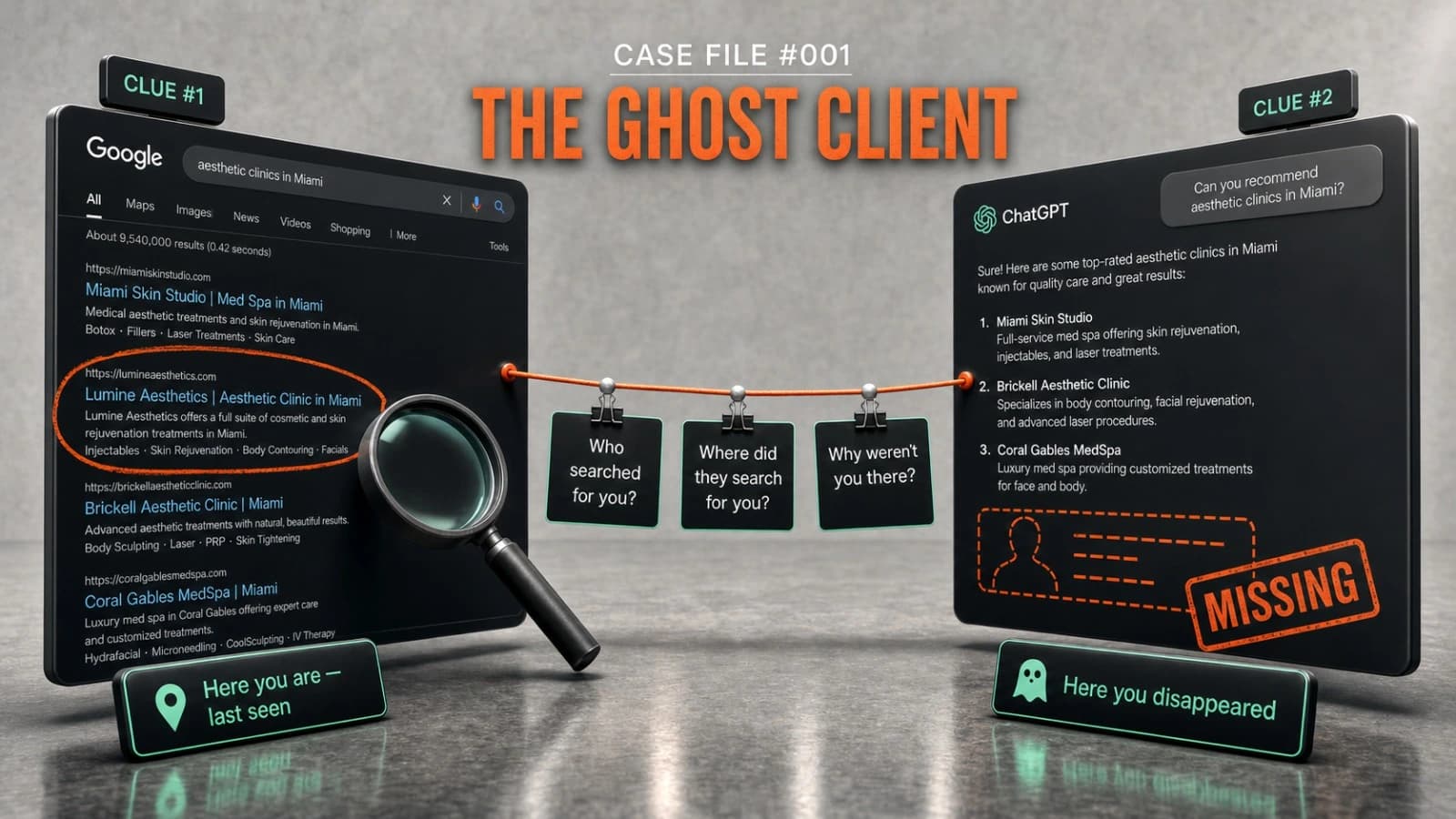
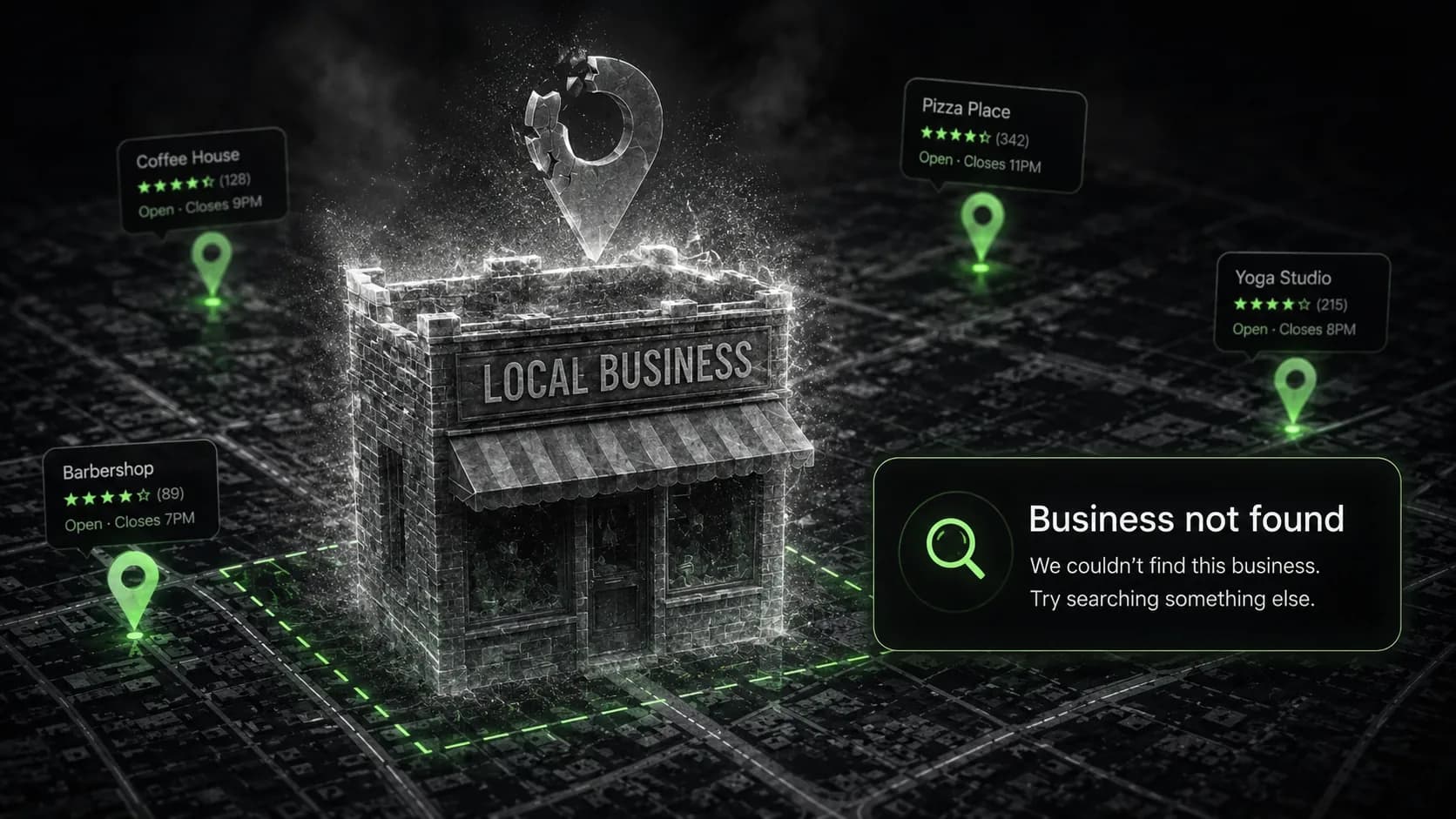
In the last few months there has been one kind of client more recurring than the rest. We even recognize the face they walk in with: a mix of stubbornness and worry. The story they tell is always similar. Years investing in SEO, ranked on Google, reviews worked on, their Google Business Profile cared for, service pages up to date, everything apparently normal. One day they open ChatGPT on their phone, type the name of their service in their area, and just like that, their business doesn't appear. The AI recommends three others, or four, or whatever, but they're not there. They call their agency desperate and the agency says they're "looking into" it.
SEO still brings in clients, that hasn't changed. What changed is that now you also have to show up when ChatGPT, Gemini, Perplexity, and whatever sophisticated-sounding AI names keep popping up decide who to recommend.
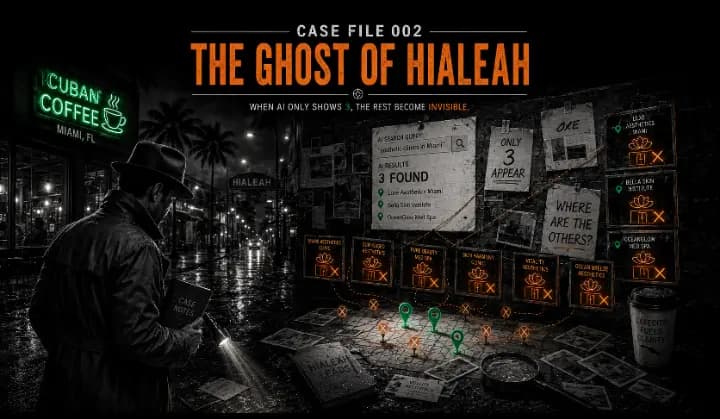
The data says that second layer is covered by 1.2% of local businesses in the market, according to SOCi's 2026 Local Visibility Index, which analyzed 350,000 locations across 2,751 brands. The other 98.8% keeps ranking on Google and stays out of the new conversation... for now.
This article is for that 98.8%.
The five spheres of SEO as we've always known it (technical, on-page, off-page, local, content) are still the base. The sixth, GEO, is the one almost no one is working with a system yet. What follows is what those six look like done with the rigor 2026 demands, with real cases, verifiable data, and our take on what to prioritize based on the business's starting point.
How search changed with AI in 2026
Before getting into the six spheres, it's worth grounding what happened in the last 18 months with concrete numbers.
| Dimension | Classic SEO (2020-2023) | SEO in the AI Era (2026) |
|---|---|---|
| Key metric | Rankings + clicks | Citations + presence in answers |
| Dominant format | Ten blue links | Synthesized answers with sources |
| Crawlers that matter | Googlebot, Bingbot | The above + GPTBot, ClaudeBot, PerplexityBot |
| Content structure | Keyword density | Self-contained chunks (Island Test) |
| Authority measured in | Backlinks | Backlinks + mentions + cross-platform consistency |
| Platforms that matter | Google + ChatGPT + Perplexity + Gemini |
AI Overviews now appear in 48-50% of queries tracked on Google, according to BrightEdge's Q1 2026 analysis. A year ago they appeared in less than 15%. Coverage rose 58% year over year. In verticals like health, education, and research, AIOs spike to 80% of queries.
ChatGPT reached 900 million weekly active users in 2026, double a year ago, according to OpenAI's official announcement in February 2026. The company processes 2.5 billion daily prompts. That's the scale of the new channel where the client is searching.
When an AI summary appears on Google, users click on a traditional result only 8% of the time, compared to 15% without it. Why? Because their search intent already got resolved at the top, they don't need anything else. Pew Research measured it in March 2025 with 68,879 real searches from 900 adults in the United States.
People keep searching for the same things as before; what they stopped doing is going to the site to get the answer.
The numbers show the change stopped being a forecast a while back, you adapt or you die trying. Doing exactly the same expecting different results is, frankly, absurd. Let's leave it there.
The answer arrives before the click
User behavior adjusted faster than many agencies expected. Google no longer delivers just ten blue links: it delivers an AI-generated summary at the top, and the user reads the answer without needing to click. If they don't have any remaining doubts, they don't enter any site.
According to Ahrefs' study published in February 2026 with data from December 2025, sites appearing in the first position on Google are receiving 58% fewer visits when there's an AI summary above. Two years ago, out of every 1,000 people who saw that site on Google, 73 entered. Today, out of every 1,000, 16 enter. In other words: for every 100 clicks that same site used to get, today it gets 42.
Most stay reading the summary and never reach the site.
A drop in organic traffic doesn't mean your SEO is broken. It can mean AI is answering for you, before the client makes it to the click. The right question for 2026: are you showing up inside that answer or not?
Does this mean SEO is going to disappear? No. It means the click is no longer the only KPI. The answer for SEO in the AI Era is no longer measured only in visits. It's measured in presence: how many times your brand shows up inside the answer the AI generates, how many times you're cited, how many times you're recommended when a user asks about your service.
Google still rules, but no longer decides alone
Google still processes between 9 and 13 billion searches per day. Out of every 100 digital searches anyone does in the world, 80 are still on Google. For a business in Miami that wants clients today, especially when the person is already ready to buy or looking for something near their house, Google is still the biggest channel by a wide margin.
But 17 out of every 100 searches are now absorbed by ChatGPT, according to First Page Sage's Q2 2026 report, and the curve keeps rising quarter after quarter.
Volume matters, but intent matters more: a person who lands on your site from a ChatGPT, Claude, or Perplexity is worth about 4.4 times more, by conversion rate, than someone who lands via a regular Google search, according to Semrush's study of AI search traffic.
It's fewer total clicks, yes, but clicks with a lot more buying muscle behind them. When someone asks an AI about a service and the AI recommends your business, that person comes in almost decided.
Google is still the biggest pillar for any brand selling globally. But it no longer decides alone whether they find you. Today the goal must be moving from the current 99% the AI ignores to the privileged 1% it recommends. That's the central job of SEO in the AI Era.
The other 98.8% keeps ranking on Google and stays out of the new conversation... for now.
The 6 spheres of SEO in the AI Era
The 5 traditional spheres plus GEO, the sixth born in 2026. The same as always, done with more rigor. Plus a new layer.
Local SEO in the AI Era: getting picked, not just showing up
Showing up on Google well-ranked, with reviews worked on and a cared-for Google Business Profile, stopped being a guarantee of also showing up in ChatGPT, Gemini, or Perplexity when someone searches from those platforms. SOCi, the platform that manages thousands of Google Business Profiles, put a name on it: the gap between traditional local search and AI local search.
The 55% gap
SOCi's 2026 Local Visibility Index measured that gap directly. In the retail category, only 45% of the brands leading in traditional local search also appear among the most recommended by AI assistants. The remaining 55% are businesses visible on Google but that go unnoticed by LLMs.
This doesn't mean traditional local SEO stopped working. It means ranking on Google no longer guarantees being cited by an AI. They're two systems evaluating different signals.
Google rewards proximity, prominence, and relevance with heavy weight on the Google Business Profile. AI platforms reward cross-platform consistency, review volume and sentiment, structural clarity on the site, and presence in sources the model considers trustworthy.
For a local business in Miami, showing up on Google is still necessary, but today it's only half the work. If you only work half the game, you capture half the potential client. The other half is captured by whoever is showing up on every front.
Reviews as fuel for AI
SOCi also measured what makes a location enter the 1.2% that ChatGPT does recommend. Reviews and the digital reputation of the business carried the most weight in their data.
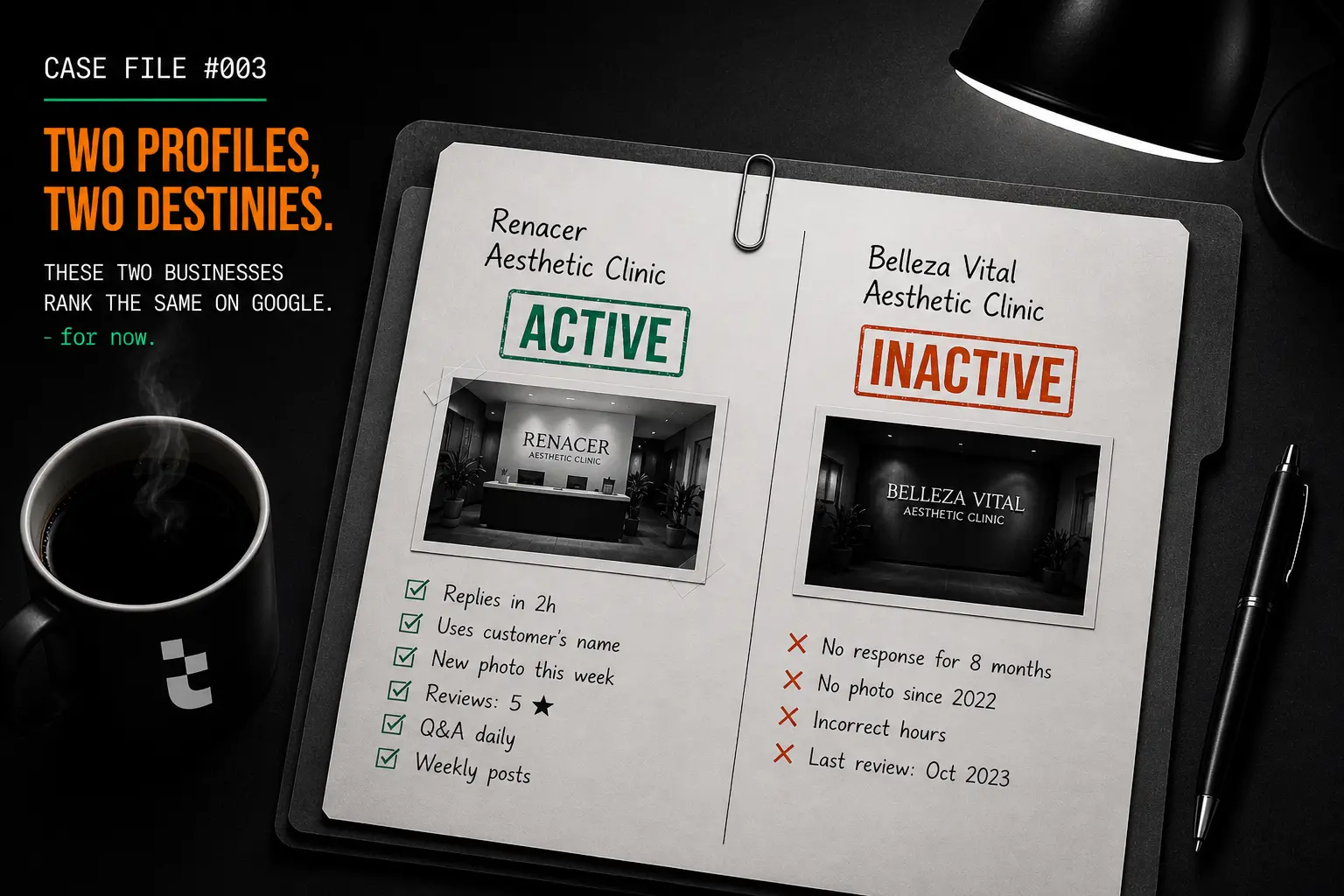
Locations that ChatGPT recommends average 4.3 stars. Businesses with ratings close to 3.4 stars, or with review response rates below 5%, don't show up in AI recommendations even when they have solid rankings on Google.
When two businesses rank similarly on Google, the AI picks the one with coherent presence across multiple platforms. For the business that only works on its Google Business Profile, the AI can't find enough cross-referenced information to risk recommending it.
Reviews and cross-platform consistency stopped being "nice to have." Today they're hard signals: they decide whether the AI recommends you or skips you. Any local SEO strategy that in 2026 treats them as secondary is settling for the comfortable spot on page 4.
Any local SEO strategy that in 2026 treats them as secondary is settling for the comfortable spot on page 4.
Google Business Profile: what it still requires and what's no longer enough
Google Business Profile is still the base of local SEO. Consistent NAP (name, address, phone), correct primary category, recent photos, updated hours, regular posts and review responses, complete attributes. All of that still weighs for Google and all of that is still the first work we do when we step into a local SEO project, starting by ruling out the reasons a profile stops showing up.
What's new is that Google Business Profile, on its own, no longer fills out the complete form of signals AI platforms need. ChatGPT and Perplexity synthesize their answer from multiple sources: Yelp, Facebook, vertical directories, reviews on industry-specific platforms, mentions in local media.
If your information is perfect on Google and outdated on Yelp or Facebook, the AI detects the inconsistency and lowers the confidence with which it recommends you.
SOCi measured that business profile information was only 68% accurate on ChatGPT and Perplexity, compared to 100% on Gemini, which relies exclusively on Google Maps. That difference between 68% and 100% is explained by how each platform cross-references sources: Gemini pulls from one side, ChatGPT and Perplexity contrast several, and inconsistencies lower their confidence.
What we recommend today to any local business in Miami already investing in SEO is to widen the perimeter. Audit Yelp, Facebook, industry directories. Ask for reviews across more than one channel and respond to each with the same consistency, positive and negative alike, with respect even when it's hard. Work the site's content so each service page has precise geographic signals, relevant and clear content, and FAQs that answer exactly the way questions are asked in a conversation with an AI.
It sounds like more of the same, and partially it is. What changes is the mindset behind the work: you have to rethink how context is understood before touching execution.
And to this we add background work: getting presence in local chambers of commerce, professional associations in your industry, and local media. Beyond the technical backlink, what weighs is that the AI cross-references sources to verify your business really exists before recommending you. When a brand appears mentioned in your city's Chamber of Commerce, in its professional association, and in a local outlet, the AI classifies it as a verified entity, not just another website. That multiplies the odds it recommends you.
Technical SEO for AI crawlers: GPTBot, ClaudeBot, and the new configuration
Technical SEO is like the machinery of a watch. You know what it does and how it should work, but the gears that move it inside aren't your job, and you don't need to understand them. What you do need is to know what to ask your agency or developer for and how to evaluate whether they're doing it well.
30.6% of all global web traffic now comes from bots, according to Cloudflare Radar's Q1 2026 report. A growing portion of that traffic is from AI crawlers: GPTBot from OpenAI, ClaudeBot from Anthropic, PerplexityBot, Google-Extended, ChatGPT-User. Each one with its own behavior and its own goal.
If your site isn't prepared for these bots to read what you have, you don't show up when someone asks an AI about your service. Even if you rank well on Google.
What we're seeing in recent technical audits is that most sites face AI search visibility issues they don't even know about, because of configurations that got old.
GPTBot, ClaudeBot, PerplexityBot: the new silent visitors
Each AI platform has its own crawler that walks the web to train its model or to respond to queries in real time.
GPTBot collects data to train future OpenAI models. OAI-SearchBot handles real-time searches when someone uses the search function in ChatGPT. ClaudeBot does the same for Anthropic. PerplexityBot crawls for Perplexity. Google-Extended is the bot Google uses to feed Gemini and other AI products, separate from Googlebot, which is the one indexing for traditional search.
Each of these bots has its own name and obeys the instructions given by your site's robots.txt file, which is the document defining what parts it can visit and what parts it can't.
If your robots.txt doesn't name any of the AI bots, each one enters with default rules. And many sites are running with old configurations that unintentionally leave these crawlers out, because they inherited instructions written for Google and Bing back when AI bots didn't even exist.
The right audit starts by opening your robots.txt and deciding, one by one, whether you want each bot to enter your site. Blocking them all is valid if you have reasons to do so, like protecting sensitive content or guarding the intellectual property of what you publish. What isn't valid is not deciding and letting the file resolve it alone, because it almost always resolves it badly.
Each business decides whether to block or allow each crawler based on its strategy. The mistake is to decide nothing and inherit old rules that leave the site invisible.
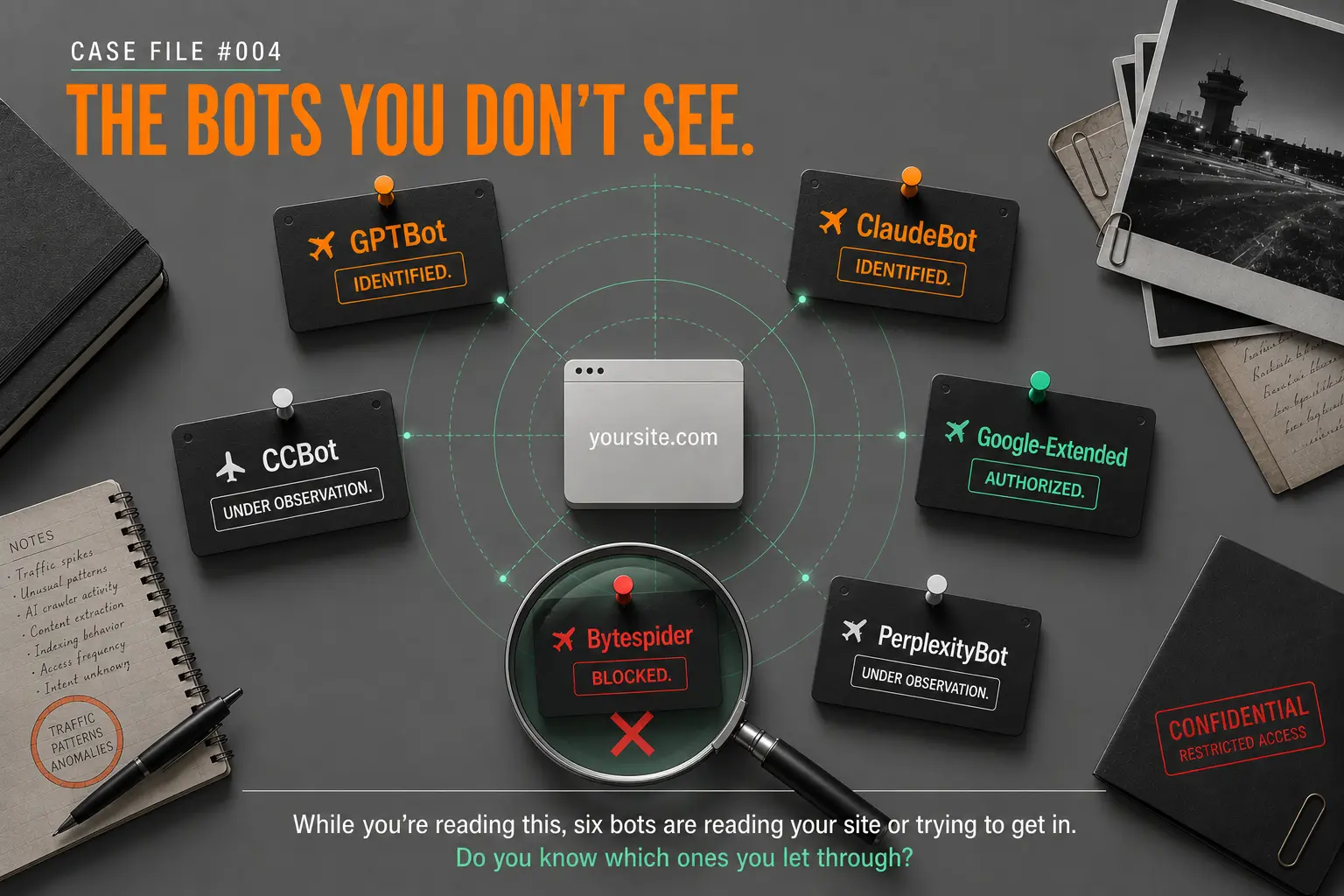
Blocking GPTBot "just in case" or "to protect content." Without content visible to GPTBot, ChatGPT can't recommend you when someone asks about your service. The protection against model training is Google-Extended, not GPTBot. Confusing them leaves you out.
Client-side JavaScript: the mistake that costs visibility
Of the six main bots crawling the web, only two (Googlebot and Applebot) can read sites built with modern technologies like React, Vue, or Angular. The other four (GPTBot from ChatGPT, ClaudeBot, PerplexityBot, and CCBot) only understand plain HTML, which is the simplest version of a web page.
If your site is built on those modern technologies and doesn't translate them to HTML before serving them, these bots reach your page and find an empty page they can't read.
This is one of the most frequent causes we find when a site ranks on Google and stays out of AI responses. Google manages to render the JavaScript and that's why it indexes the content. The AI crawlers can't, so the site doesn't exist for them.
For sites on WordPress, Shopify, and other traditional CMSs, the problem generally doesn't appear because content is served as direct HTML. For sites built in modern JavaScript frameworks, you need to implement SSR (server-side rendering) or SSG (static site generation). Next.js, Nuxt, and SvelteKit support it natively and are the standard recommendation when the site has that architecture.
For businesses whose site depends on client-side JavaScript, this went from being a technical detail to being the difference between showing up in AI responses or not showing up.
Robots.txt and schema: the levers you do control
There are two files a business can control today to influence how AI reads its site. The first is an updated robots.txt. The manual audit identifies whether the new user agents are explicitly declared. The 2026 standard includes at least GPTBot, OAI-SearchBot, ClaudeBot, PerplexityBot, Google-Extended, ChatGPT-User, CCBot, and Bytespider. Each one with a conscious allow or disallow decision based on the business strategy.
The second is the trusty old schema markup. 72.6% of first-page Google results already use schema, according to Backlinko's analysis of 11.8 million search results. For SEO in the AI Era, the right schema reduces ambiguity and tells the model exactly what type of entity your business is: LocalBusiness, FAQ, Article, Product, Review, Organization.
The basic schemas are enough for 90% of local businesses and can be implemented in a matter of days.
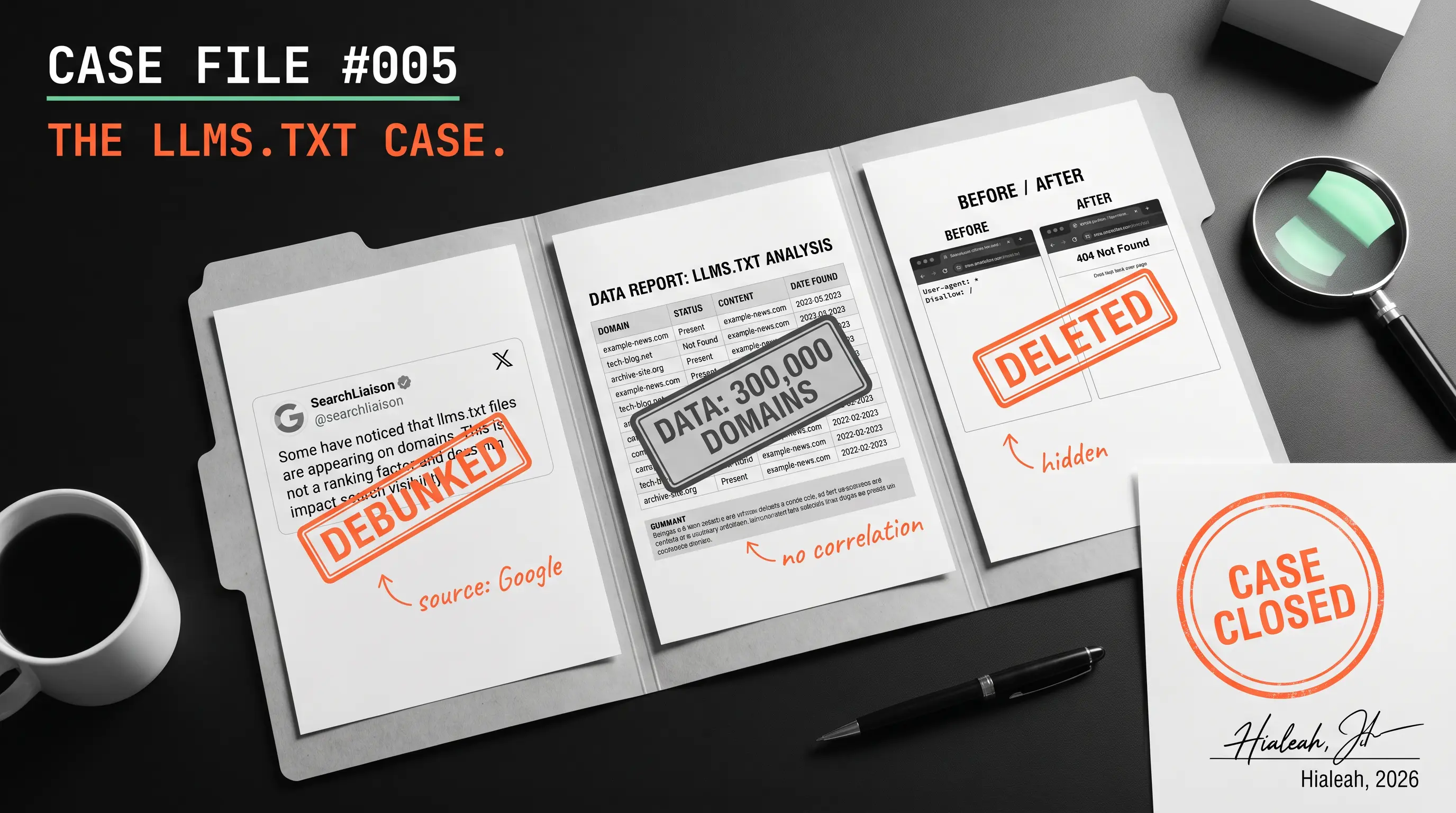
As of today, there's no evidence it works. Google's John Mueller confirmed it publicly in 2025: no AI system uses this file. SE Ranking analyzed 300,000 domains and found no correlation between having llms.txt and showing up cited in AI responses. Even Google uploaded one to its own documentation in December 2025 and, when called out, deleted it within hours. We leave it as a clear example that not everything the market sells as mandatory moves the needle. If your agency is charging it as a 2026 priority, ask yourself why.
Robots.txt defines who gets in; schema tells the system how to interpret what it finds. Between the two they assemble the instruction manual the AI needs to understand your site.
On-page SEO for AI: how to write content in chunks
The way a site's content is written has changed, and this is one of the changes with the most impact on any business already investing in content marketing or service pages. If you produce that content with AI, the same principles drive how to write an article with AI that ranks.
AI systems don't read pages the way Google read them five years ago. They split them into semantic chunks of 200 to 500 words, convert each chunk into a mathematical representation, and only extract the chunks that best answer the user's query. This is called Retrieval-Augmented Generation, or RAG.
Well-structured content, with clear hierarchy and self-contained sections, performs up to 40% better in AI Overviews compared to traditionally formatted content, according to Princeton's research on GEO.
The Island Test: the question that changes how you write
Before publishing any section, you need to run it through a simple test. If we extract that section alone, without the context of the rest of the page, does the reader understand it completely? If the answer is yes, the AI will be able to cite it. If the answer is no, the AI will misinterpret or ignore it.
This is called the Island Test, and it comes from Princeton's research on how LLMs process content to generate responses. Each section should function as a self-sufficient island, with its own context, definition of key terms, and closure.
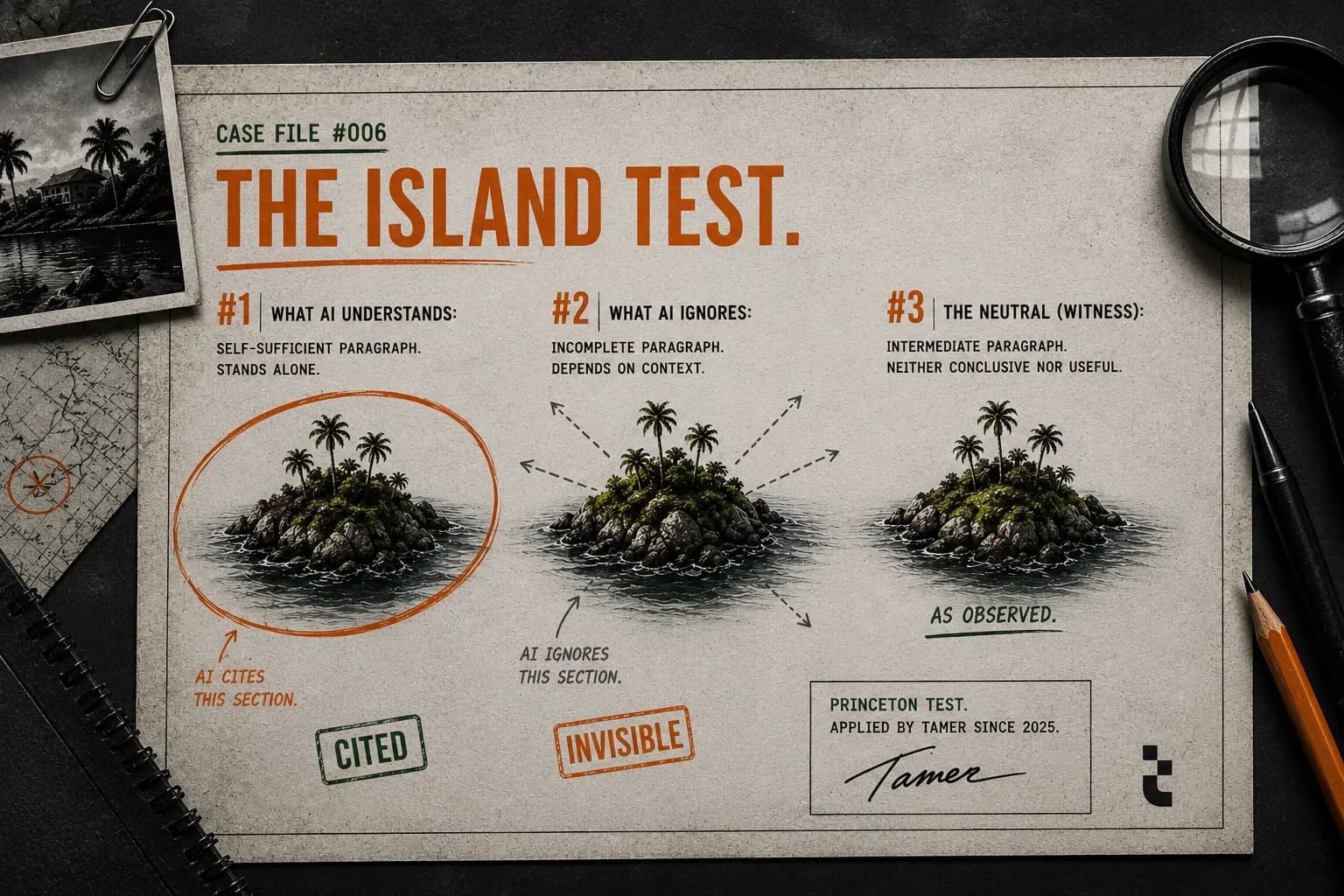
A paragraph that does NOT pass the Island Test:
"As we said earlier, this means each section should be readable on its own. That's why you should apply it to all your pages."
If an AI extracts only this paragraph, it doesn't understand what "this" is, what was said before, or what to apply. The chunk is useless.
A paragraph that DOES pass the Island Test:
"Each section of your site should be readable on its own, without depending on the context of previous paragraphs. Applying this principle to service pages, posts, and FAQs increases the probability that an LLM cites your content accurately."
This chunk stands on its own. It defines what to do, where to apply it, and why it matters. The AI can extract it and cite it without losing context.
From paragraphs to self-contained units
The structure of a section that passes the Island Test follows a consistent pattern. It starts with a clear statement or a definition that lands the topic. It develops the idea with a concrete example or with data. It closes with a takeaway or a practical consequence.
Each 200-500 word chunk operates as a complete unit, with its own idea developed from start to finish, without transitions that depend on the previous paragraph. The practical rule is that a reader should be able to land on any section and understand it alone.
When we write service pages for clients today, we apply this logic section by section without exception: the service description, the benefits, the FAQs. Each block has to stand on its own if an LLM pulls it out of context.
Headings the AI can read
Heading hierarchy matters more than ever. The AI uses H1, H2, and H3 as semantic anchors to understand what each section is about and to decide which chunk to extract.
The H1 contains the main entity of the page. H2s divide the major topics and repeat the entity or category when possible. H3s go deeper into subtopics without assuming prior context. What we're seeing work best is writing H2s and H3s that are questions or complete statements in themselves. "How technical SEO works for AI crawlers" works better than "How it works." The first gives enough context for the AI to understand the chunk alone. The second needs the context of what came before.
Look at it this way: if you could print only the heading and a random fragment of its section, would it make sense? If the answer is a resounding yes, it's well-structured. If you have to think about it... Houston, you have a problem.
Before publishing any section, read it out loud to someone who does NOT know the rest of the page. If they interrupt with "but what's the thing from before?" or "what are you referring to?", that chunk doesn't pass the Island Test. Rewrite it.
Programmatic SEO: scaling pages that AI can cite
There's a practical application of everything above that most local businesses haven't considered yet, and it's one of the highest-leverage plays for AI visibility in competitive markets like Miami.
A roofing company that serves Hialeah, Coral Gables, Doral, and Kendall needs a page for each. Not a generic service page with a city name swapped in, a real page with localized content, geographic signals, specific FAQs for that area, and schema that tells the AI exactly what service is offered where. Multiply that by every service and every neighborhood, and you're looking at dozens or hundreds of pages that most businesses will never build manually.
That's where programmatic SEO comes in. The idea is generating those pages at scale, each one with unique, relevant content structured in self-contained chunks that pass the Island Test, not thin doorway pages stuffed with a zip code.
What changed in 2026 is how accessible this became. AI-powered development environments like Visual Studio Code with Claude Code (an AI coding agent that works directly in your terminal), Antigravity (a visual builder that generates production-ready code), or OpenAI's Codex (an autonomous coding agent for larger tasks) turned what used to require a development team and weeks of work into something a strategist with a clear content plan can execute in days.
The workflow looks like this: you define the data (services, locations, unique attributes per area), you build one template that follows the Island Test structure, and the AI generates each variation with localized content, proper schema, and geographic signals. The strategist reviews, adjusts tone, and publishes. What used to be a $15,000 development project is now a Tuesday afternoon with the right tools and a clear plan.
For a business in Miami competing in categories like legal, medical, or home services, where every neighborhood has its own search behavior, programmatic SEO is the difference between having 5 pages the AI can cite and having 50.
Off-page SEO in the AI Era: authority beyond backlinks
Backlinks are still an asset. What changed is they're no longer the only asset, nor the most important for AI visibility.
AI platforms don't rank pages the way Google ranked them. They evaluate trust. They build that trust by reading how your brand appears across the web: in which sources you're mentioned, how you're described, what users say about you, what consistency there is between the different platforms where you exist.
Reddit accounts for 22.9% of the domains most cited across AI models, according to the cross-platform analysis published by Foundation Inc in April 2026. LLMs typically extract between 5 and 16 sources to synthesize a single response. Perplexity depends on community platforms in more than 90% of its responses. Gemini, around 7%.
Reddit, Wikipedia, and YouTube: the sources AI cites most
The three platforms dominating AI citations are Reddit, Wikipedia, and YouTube. For a local business in Miami, this has concrete implications that didn't exist three years ago.
Reddit functions as a space where users discuss real services without a corporate filter. Personally, I have a special affection for it: it's amazing how people ask random things you've always wondered and didn't know, or were embarrassed to ask, and on top of that it's a brutal traffic source.
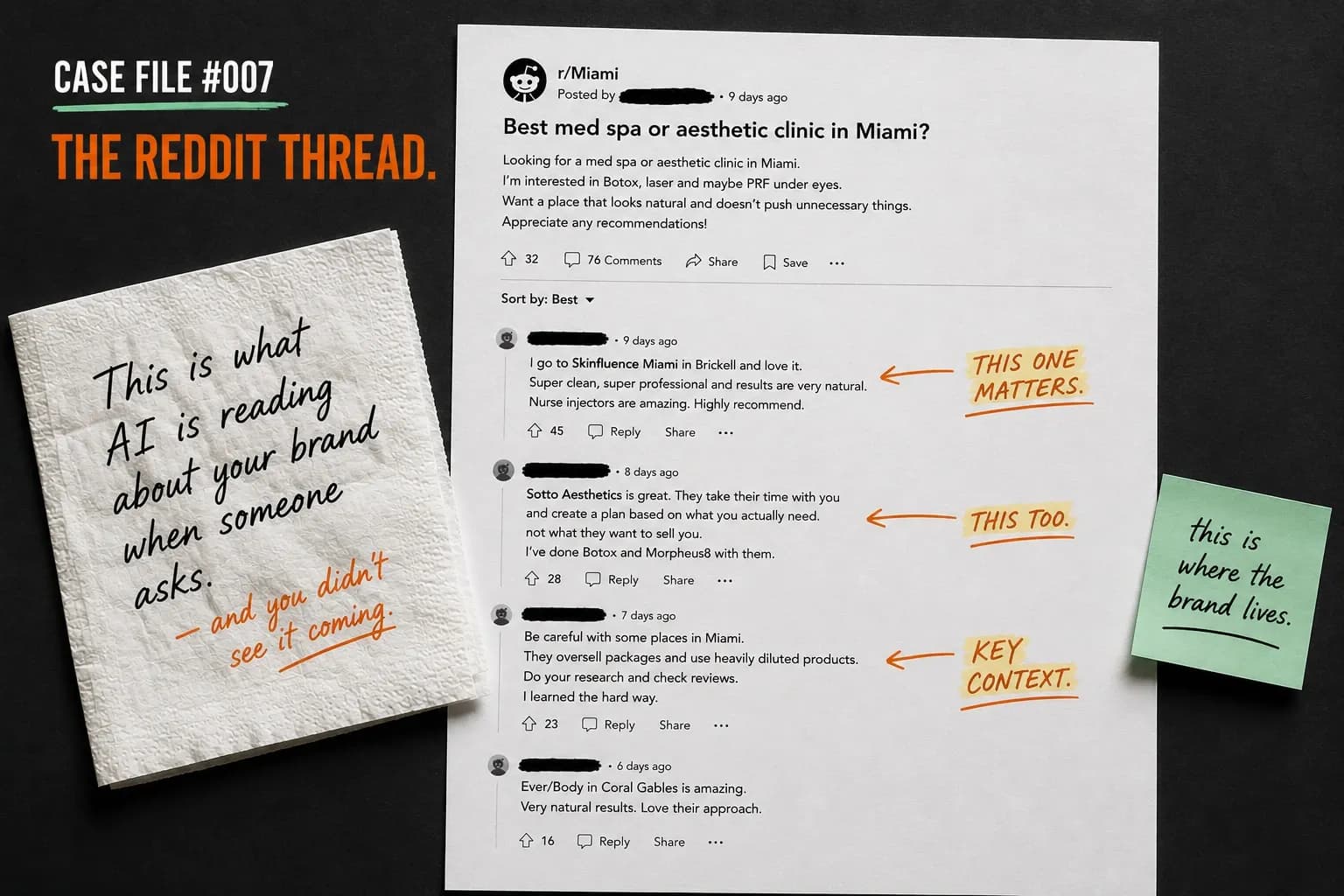
An organic mention in r/Miami, r/southflorida, or a vertical subreddit weighs differently today. The reason is the AI reads that conversation when someone asks about that service, even if the mention doesn't generate direct traffic to your site. The participation that works is genuine presence: answering questions, adding context, building reputation for your brand as a real entity with judgment that cares about helping others and getting noticed in the process.
Wikipedia plays separately. To get into Wikipedia you need to be a genuinely notable entity, with coverage from independent media and verifiable references. Most local businesses don't qualify, and that's fine. But the brands and people who do get in earn something hard to measure: when the AI builds an answer and needs a neutral source, it goes to Wikipedia first. If your brand is there, you're going to show up cited in contexts where you didn't even know you were being talked about.
Last week I needed to get out a screw whose head had been stripped. I asked Google and it returned five videos from the same person. I didn't solve the problem, but there the guy was, well recommended.
That's exactly what YouTube became in 2026: the other platform that changes the game. Gemini, which is integrated deep with Google, prioritizes videos with correct VideoObject schema when answering "how-to" queries. For services that allow visual content, like dentists, medical offices, mechanic shops, restaurants with visible prep, a channel with 10-20 well-labeled videos can enter as a cited source in AI responses with less effort than ranking those same topics on Google.
Mentions without a link: the asset that didn't count before
One of the most interesting consequences of SEO in the AI Era is that mentions without a link now weigh. If a Miami blog mentions your business without linking, traditional Google doesn't count it as a backlink. But the AI does register it as a signal of existence and context for your brand.
This changes the digital PR calculus. Showing up mentioned on a local podcast, in a note from a Miami outlet, in a Reddit thread, in a Yelp review with detailed context, all of that builds what AI platforms call "entity authority": recognition of your brand as a real entity, with consistency, across multiple sources the model considers trustworthy. The external content strategy stops being a race to add backlinks and becomes building well-described presence on the platforms the AI consults to synthesize answers.
Reviews and cross-platform reputation
Reviews work on two layers for SEO in the AI Era. As a trust signal for potential clients and as an authority signal for AI models. This second layer weighs more than before.
Yelp, Facebook, and vertical directories are the cross-referenced sources the AI consults before recommending your business. When the information matches across all of them, the AI recommends you with confidence. When one contradicts another, the model backs off: it prefers to recommend a coherent competitor over a better but confusing one.
Off-page work in the AI era stopped being a race to add backlinks. Today it's building a coherent identity across all the platforms where your brand exists, because that's what the AI evaluates before citing you.
SEO for LLMs (GEO): the sixth sphere being born
The five traditional spheres of SEO are still the base. What's being born in parallel is a sixth sphere, not yet standard but with its own name and metrics. It's called Generative Engine Optimization, or GEO. It also appears as AEO (Answer Engine Optimization). What it measures is something different from what traditional SEO measures: in how many AI-generated answers your brand appears, with what context, and how the model describes you when someone asks about your category.
GEO is in formation, best practices are still being written, and the data changes every quarter. What follows is what we're seeing work in the market in 2026, not a closed manual.
Why SEO and GEO are parallel jobs
Data published in April 2026 by Foundation Inc shows that only 10% of the citations appearing in Google's AI Mode match the top organic results for the same keyword. ChatGPT coincides with Google in its sources only 39% of the time. Just 12% of the URLs cited by LLMs rank in Google's top 10 for the original prompt.
The consequence is that ranking well on Google no longer guarantees being cited by an AI. They're two jobs that share a base but end up in different places. Traditional SEO optimizes for a user to click a link to your site. GEO optimizes for your brand to appear inside the AI's synthesized response, cited by name, with the right information about what you do.
What we're recommending to clients already investing in SEO is to not stop doing SEO to start doing GEO. They're layers that add up, they don't replace each other.
What an LLM looks for to cite you
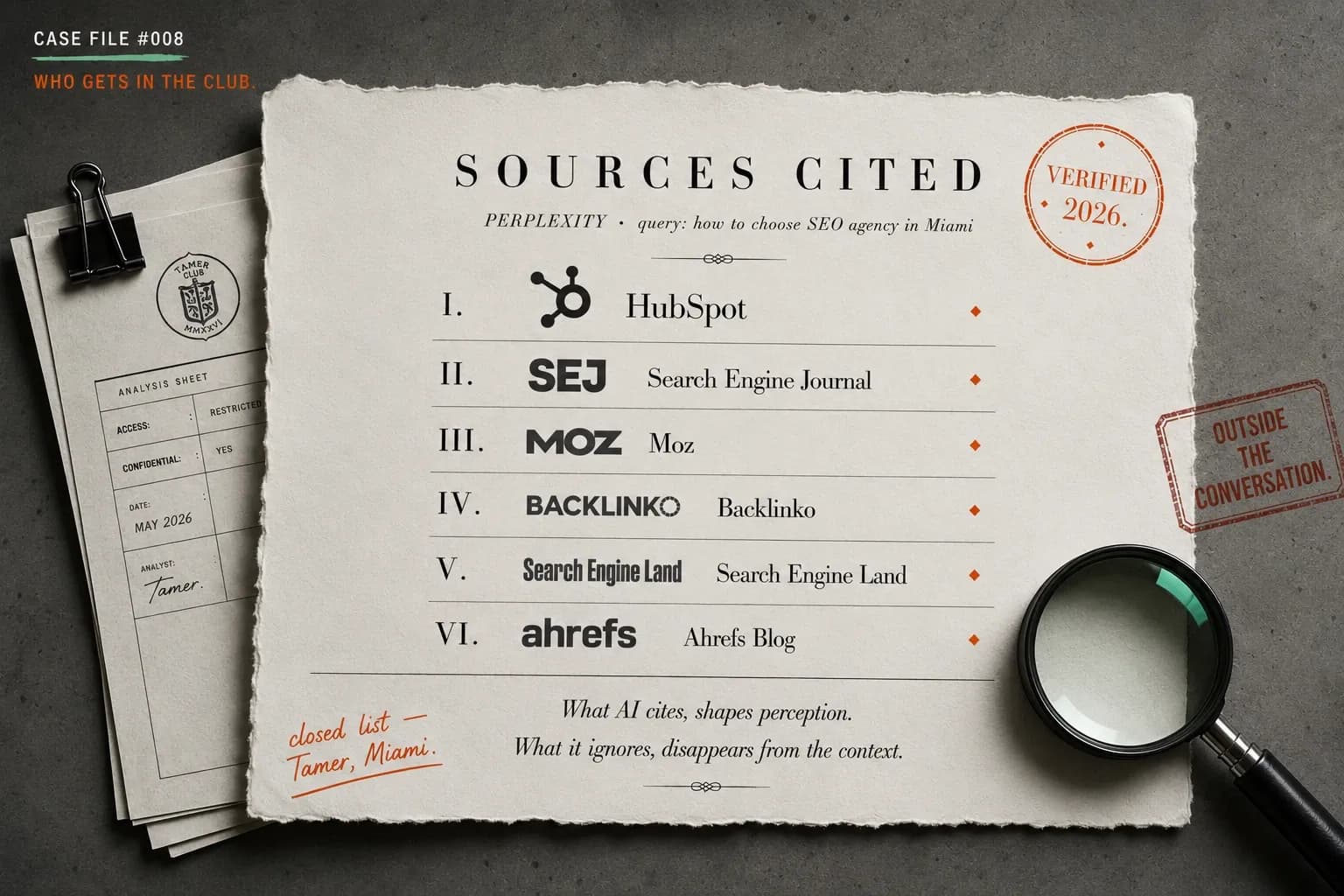
Five years ago a technically solid site could rank without verifiable authority behind it. That train left. Today the AI demands real authority as a condition of entry, as it should.
How it's measured now
The KPI stopped being only ranking and organic traffic. Today presence in AI responses is also measured. The three questions: how many times ChatGPT, Gemini, or Perplexity mention you when someone asks about your service, what space your brand occupies within its category in the responses, and whether they describe you with correct information or with old data.
According to the Seer Interactive study from September 2025, businesses cited inside an AI Overview receive 35% more organic clicks than those not cited, even when the AIO is present on the results page. The citation inside the AIO doesn't cannibalize your traffic, it adds a layer of visibility that translates into more clicks than an absent competitor's.
The tools to measure it are still under construction. Profound, Ahrefs' Brand Radar, Semrush AI Toolkit, Local Falcon, and our own AI Signal Rank are the ones we use most to see whether a brand is appearing in AI answers, how it is described, and which competitors are being recommended instead. Each one shows a piece of the picture.
Every Monday, open ChatGPT, Gemini, and Perplexity. Ask exactly: "recommend me [your service] in [your city]". Note: do you appear? in what position? with what description? That's your baseline. In 30 days measure again. Presence in AI is managed like any other metric: first you measure, then you improve.
How we live it at tamer Marketing
Business owners in Miami suffer from anxiety from the excess of information, often exaggerated, where gurus say what they've been doing and paying for won't work anymore, that their companies will close, the new era, the death of SEO, and a pile of headlines that grab attention and compromise mental health.
Calm down, don't panic, and above all don't fall for it.
Things have changed, yes, that's undeniable, but the mindset and approach of the strategy must change too, adapt. Nothing more than that.
SEO with AI vs SEO for AI: two different jobs
This unfounded collective panic causes the average business owner to mix two jobs that aren't the same.
| SEO with AI | SEO for AI | |
|---|---|---|
| What it is | Using AI tools in your process | Optimizing so AI picks you |
| Its function | Optimizes your internal process | Decides if you exist where the client searches |
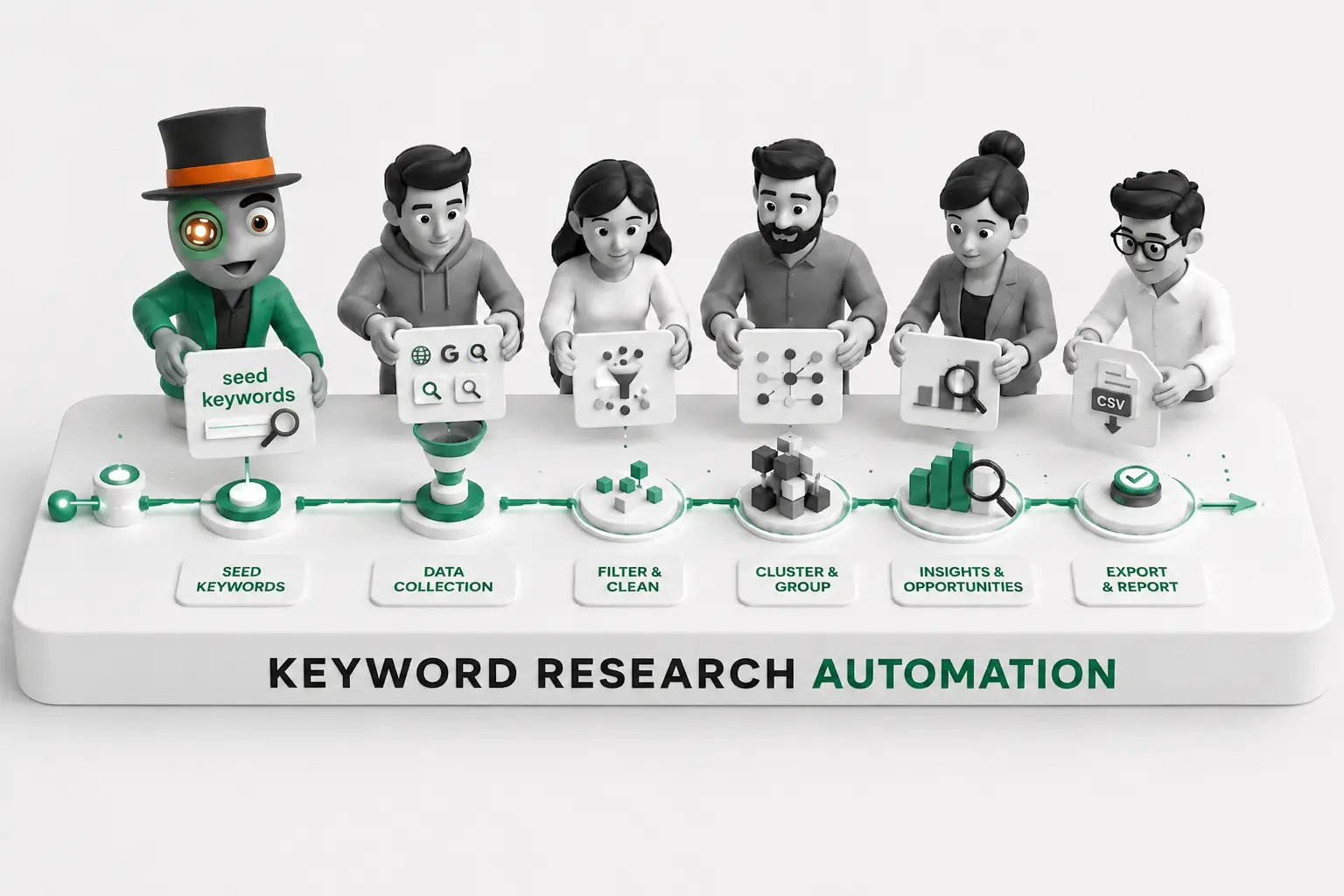
| Examples | Generating drafts with ChatGPT, automated keyword research, semi-automated technical audits, faster competitive analysis | Structuring the site for AI crawlers, implementing complete schema markup, cross-platform authority (Reddit, YouTube), showing up cited in AI responses |
One is using AI tools to make their internal SEO more efficient: generating content drafts with ChatGPT, speeding up technical audits, automating monthly reports. It works, it helps, but it doesn't differentiate. And in an environment where everyone does the same, authenticity is a serious thing.
The other job is structuring the site, the authority, and the cross-platform presence of a business so that when a client asks an AI about their service, the AI picks that business. That's what decides whether you exist or not in the new place where the client is searching.
That's what decides whether you exist or not in the new place where the client is searching. And that requires the five traditional spheres done with new discipline, plus a sixth layer we're just learning to work as an industry.
The businesses consistently showing up in AI searches have an orderly structural base, authority built with time, coherent presence outside the site, and a team that understands that SEO in 2026 demands more rigor than it did three years ago. The same work as always, done with more discipline, with an extra layer on top. Without grand and sophisticated labels.
So, can AI bring you clients if you work SEO on it? The answer is yes. AI is the new channel where the client's answer appears. The five spheres done with consistency, now six, are what decides whether your brand is in that answer or stays out.
This is the whole point of our AI SEO services: structuring a business so it gets read, cited, and recommended where customers now ask. It is not theory, see how Live Love became AI-recommended in Miami.
Action plan: how to fix SEO issues in the AI search era
Order matters, a lot, and so does your time. Implementing SEO in the AI Era is a layered process, and promising all of this gets done in a month is, at minimum, a lie. This is the order we recommend based on your time horizon:
This order isn't absolute. The steps depend on your starting point. But the logic is the same: close the technical flank before optimizing content, and build cross-platform authority as a medium-term investment that pays off over time.
In business and in life, stay where they tell you the truth, not what you want to hear.
Free SEO audit: where you stand today

If you made it this far, we assume you're already investing in SEO or seriously evaluating it. Good decision.
For being a disciplined reader who makes it to the end you earned a free piece of advice: in business and in life, stay where they tell you the truth, not what you want to hear. If you'd like that someone to be us, and you want a clear plan to fix SEO issues in the AI search era specific to your business, our SEO service is built exactly for this. A 30-minute call with no commitment gives you an honest read on where your business stands and where it's headed. If afterwards you decide to work on it on your own or with another agency, no hard feelings. We'll be here with a coffee.
Book a free SEO strategy call with tamer Marketing
We'll audit your current SEO setup, your AI visibility, and your cross-platform presence. We'll tell you directly what we see, what's missing, and what a realistic path looks like for your business in 2026.
Frequently asked questions
Is SEO dead in 2026?
No, but the version that relied only on ranking ten blue links is fading. Search now splits across Google, AI Overviews, and assistants like ChatGPT and Perplexity, so the job changed from "rank a page" to "be the source that gets cited wherever your customer is searching." Businesses that adapt gain ground; the ones doing exactly what worked in 2020 are the ones who feel like SEO died.
What is the difference between SEO, AEO, and GEO?
SEO optimizes to rank a page in classic search results. AEO, answer engine optimization, optimizes to be the answer a search engine surfaces directly, through clear structure, schema, and answer-first content. GEO, generative engine optimization, optimizes to be cited inside the responses that generative engines like ChatGPT and Perplexity write. They overlap heavily, and a single well-structured page can serve all three.
How do I get my business cited by ChatGPT or Perplexity?
Generative engines synthesize answers from sources they consider trustworthy and consistent, so citation comes from presence and clarity, not a single trick. Keep your information identical across Google Business Profile, Yelp, Facebook, and industry directories, earn reviews and mentions, and structure your site so each section answers one question cleanly. The clearer and more cross-referenced your business is, the safer the model feels recommending it.
How do I rank in Google's AI Overviews?
AI Overviews pull from content that is well-structured, well-sourced, and matched to the specific question, so the work is to answer clearly and back claims with data and schema. Self-contained sections that define their own terms and reach a conclusion are easier for the model to lift, which is why chunked, answer-first writing outperforms long undifferentiated prose. Strong structured data and topical authority raise the odds of being the cited source.
Should I block or allow GPTBot and other AI crawlers?
That is a deliberate decision, not a default to ignore. If you want to be visible and citable in AI answers, allow the crawlers that feed those systems (GPTBot, ClaudeBot, PerplexityBot, Google-Extended) in your robots.txt; if you have a reason to keep content out of training, block them knowingly. The mistake is leaving it to chance and finding out later that your robots.txt quietly kept you out of the channel where customers now search.
How do I optimize my Google Business Profile for AI search?
A complete, consistent Google Business Profile is still the base, but on its own it no longer fills the full set of signals AI platforms read. Keep NAP (name, address, phone), category, hours, and photos accurate, respond to reviews to push your response rate up, and make sure the same details match across the other platforms the models cross-reference. AI local search rewards coherent presence across sources, not a single well-kept profile.