

A clear digital PR strategy is what separates press mentions and social buzz from results a brand can actually tie to rankings or revenue.

What Digital PR Means and How It Differs From Traditional PR
Brands often rack up press mentions or social buzz with nothing to show for it. Coverage happens, but no one can connect it to rankings, website traffic, or revenue. That gap is usually a sign of PR activity without a system behind it. Digital PR combines public relations storytelling with online visibility, search authority, and presence in AI search tools like Google AI Overviews, ChatGPT, Gemini, Claude, and Perplexity. It moves past basic press releases toward earning backlinks, brand mentions, and trust across digital platforms and websites that search engines and AI tools treat as credible sources. Traditional PR still leans on reach and reputation, often measured with soft metrics like Advertising Value Equivalent, rather than a clear return on investment (ROI). Digital PR gets judged differently: backlinks, referral traffic, and search visibility matter more, which is part of why the AMEC Barcelona Principles pushed the industry away from Advertising Value Equivalent as a serious metric. Digital PR is not the same thing as link building. Relationships with journalists, accurate coverage, and real audience response still count even when a story runs with no hyperlink attached. A mention on a major news outlet can shift brand perception and search trust at the same time, without a single backlink involved.

Key Digital PR Campaign Examples and the Strategy Types Behind Them
Outreach without a clear angle tends to produce a lot of pitches and very little media coverage worth mentioning. The fix starts with picking a campaign format that fits the goal, not just sending emails and hoping. Four formats cover most of what works:
- Data-led campaigns: original surveys or proprietary research packaged into a story journalists can run with. According to BuzzStream's 2026 survey, 95.9% of digital PR practitioners pitch data-driven content, making it the most common tactic in the field. It can increase referring domains and awareness at the same time.
- Reactive PR and newsjacking: monitoring journalist request platforms like HARO, SourceBottle, and Qwoted, along with X, to offer fast expert commentary tied to breaking news. This builds authority quickly because it rides existing audience attention.
- Thought leadership: bylined op-eds, podcast interviews, and roundups of industry experts that put company voices in front of industry audiences. This serves long-term credibility more than quick link volume.
- Creative linkable assets: interactive tools, calculators, data visualizations, or infographics built specifically for journalists, creators, and website owners to reference. These extend reach because other websites keep linking back to them over time. Each format serves a different business objective, whether that is brand awareness, referring domains, credibility, or audience reach. Mixing them inside ongoing campaigns, rather than running one type in isolation, is what makes the results repeat. Knowing the options is one thing. The next step is building them into a framework that runs on a set schedule.

How to Build a Digital PR Strategy Step by Step
PR effort without a sequence behind it rarely repeats. A win happens once, then the team scrambles to figure out what worked. A clear framework fixes that.
1. Set objectives and KPIs
We tie goals to the business, not vanity metrics. That could mean tier-one media placements, domain authority growth through quality backlinks, citations inside generative AI engines, or SEO rankings for priority search terms.
2. Map target audiences and build a focused media list
We separate audiences by type: customers, journalists, analysts, partners. We build the media list by beat, topic, format, and recent coverage, not by sheer volume of contacts.
3. Run a baseline audit
We check current brand mentions, sentiment, coverage, backlinks, rankings, and competitor coverage. This surfaces gaps worth pitching instead of guessing.
4. Shape the hook and the asset
We decide what the pitch will carry: a data set, an interactive tool, or a sharp expert angle. The hook needs to be newsworthy on its own.
5. Write and send the pitch
Journalists say they prefer pitches of 200 words or less, according to Muck Rack's State of Journalism 2024 report. We keep it tight, with:
- A clear subject line
- A personalized opening referencing the journalist's recent work
- The central finding and why it matters to that outlet's audience
- Key numbers or visuals
- Available spokespeople and a direct call to action
6. Build the outreach and follow-up cadence
One follow-up within 3 to 7 days keeps pitches alive without becoming noise. Pew Research Center found that Google users clicked a traditional search result in 8% of visits when an AI summary appeared, versus 15% when it didn't, which is why earning visibility beyond a single search result matters more than ever. A brand that only chases rankings misses where attention is actually moving.

Using Social Media to Amplify a Digital PR Campaign
A strong online placement gets published, gets read for a day, then disappears. Nothing pushes it further, so the momentum dies right when it should be building. Social media platforms, including Instagram, Facebook, and X (formerly Twitter), extend the life of earned coverage. Tagging the journalist and the media outlet, sharing the data or asset directly with an online audience, and prompting replies and shares all signal relevance back to search engines and AI tools. That engagement is not just brand visibility for its own sake. It is a trackable signal, one that feeds directly into the measurement work covered next. A post that draws real comments and shares tells search and AI systems that an audience actually cared, which reinforces the same trust a backlink is meant to build. The brands that treat social sharing as a separate task from PR tend to waste coverage. The ones that fold it into the plan from the start keep campaigns producing attention well after the original story runs.
Measuring Digital PR Success and Its Effect on AI Search Visibility
Campaigns generate press clippings all the time with no clear read on what actually worked. Without measurement, the next pitch just repeats the same guesswork. Track these KPIs:
- Online media placements
- Referring domains
- Referral traffic to the website
- Online brand mentions and sentiment
- Social engagement
- Keyword rankings
- Assisted conversions SEO tools like Semrush, Ahrefs, and Moz handle backlinks and rankings. BuzzStream tracks outreach. Muck Rack and Cision track media coverage and journalist activity. Journalist habits back up why follow-through matters. Cision's 2026 State of the Media Report found that 66% of journalists rely on PR-provided content such as pitches, press releases, and media kits as a primary source for story ideas, while its 2025 edition found that 86% immediately reject pitches that are not tailored to their beat or audience. The AMEC Barcelona Principles pushed the industry away from Advertising Value Equivalent toward outcomes like these. A well-run digital PR strategy regularly earns backlinks from high-authority websites and keeps building on them over time. There is a direct tie to AI search visibility too. Ahrefs' study of 75,000 brands found that branded web mentions correlate far more strongly with AI Overview visibility than backlinks do. Results should always be checked against a baseline. That separates a plausible contribution to an increase in rankings or traffic from a claim that PR alone caused it, and the comparison should feed directly into how the next round of pitching gets shaped. Activity without proof is the same problem that opened this whole conversation. tamer Marketing can build the reporting system that closes that gap.
FAQs: Quick Answers on Digital PR
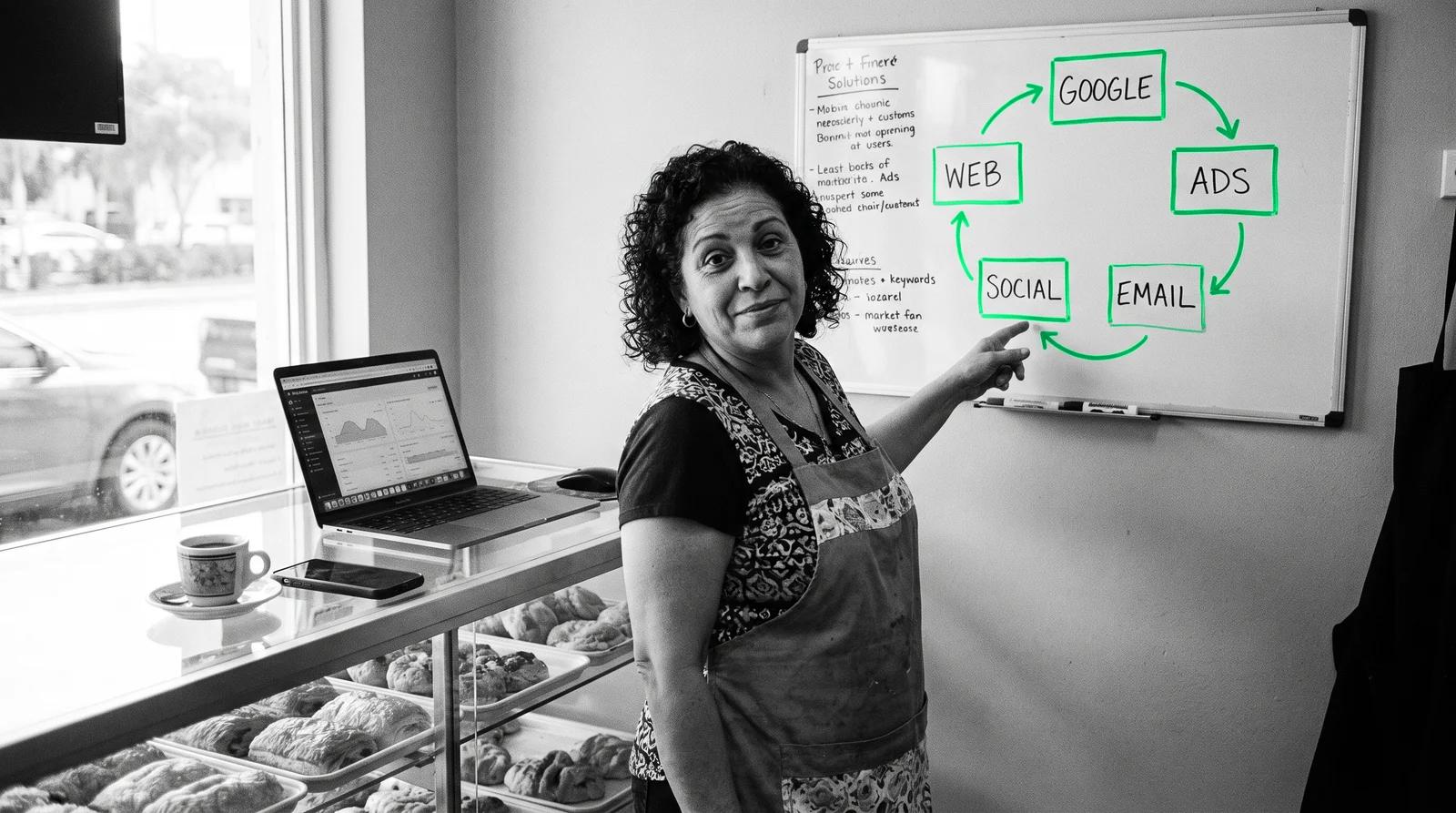
A full strategy comes down to one breath: clear goals, a mapped audience, a strong hook, a tight pitch, consistent outreach, social amplification, and measurement that feeds the next campaign. How long does a digital PR campaign take to show results? Most digital PR practitioners report first coverage within a week, but measurable SEO results usually take months to show. Does digital PR replace SEO? No. Digital PR supports SEO by earning backlinks and brand mentions, both of which feed search authority and AI search visibility. What's the difference between digital PR and content marketing? Content marketing builds assets for a brand's own channels. Digital PR gets those assets, or standalone stories, placed on other websites and outlets. Does a small or local business need digital PR? Yes, but not the version most guides describe. A national data study pitched to hundreds of journalists is built for brands with big budgets and name recognition. Digital PR for a local business works at a smaller radius: the city’s news site, the neighborhood newsletter, the chamber of commerce, the community event the business already sponsors, the reporter who covers small business in town. A bakery in Hialeah doesn’t need a mention in Forbes. It needs to show up where people in Hialeah already read. Those mentions are easier to earn because the business is genuinely part of the story, and they tie the brand to its place in a way a national placement can’t.